Our pick
Durbanville
De Grendel
Graaff family estate with Table Mountain views
Table Mountain views and an estate restaurant, about 20 minutes from the city.
Restaurant on site

Rolling hills, sea breezes and Sauvignon Blanc on Cape Town’s doorstep
Updated
Durbanville is one of the closest wine valleys to Cape Town, just 25 to 40 minutes from the city, where Atlantic breezes drift across the rolling Tygerberg Hills. Farms here have been granted since 1698, and many are still run by the same families generations later.
Known as Sauvignon Blanc country, the valley’s sea breezes and night-time mists produce fresh, vibrant whites alongside Merlot and Pinotage. Settle in for Table Mountain views at De Grendel, lunch at The Farm Eatery on Diemersdal or heritage Pinotage at Meerendal, while families will love the quirky tank tastings at Klein Roosboom. It’s an easy, relaxed escape from the city.
Just beyond Cape Town’s northern suburbs, the Durbanville Wine Valley rolls across the Tygerberg Hills, where cooling Atlantic breezes and afternoon mists drift over the vines. Farms here have been planted since the late 1600s, and today family-run estates pair bright, zesty Sauvignon Blanc and characterful reds with country kitchens, picnics and big views back towards Table Mountain – all close enough for an easy afternoon escape.
Cooling sea breezes, night-time mists and the nearby Atlantic keep conditions mild, with some vineyards planted as high as 380 m above sea level.
Deep soils on rolling hill slopes with a variety of aspects and altitudes.
Explore Durbanville through our curated wine tour experiences.
Tours for this region are coming soon. Get in touch and we’ll plan one for you.
Some of the estates that make Durbanville special.
Durbanville
Graaff family estate with Table Mountain views
Table Mountain views and an estate restaurant, about 20 minutes from the city.
Restaurant on site
 Our pick
Durbanville
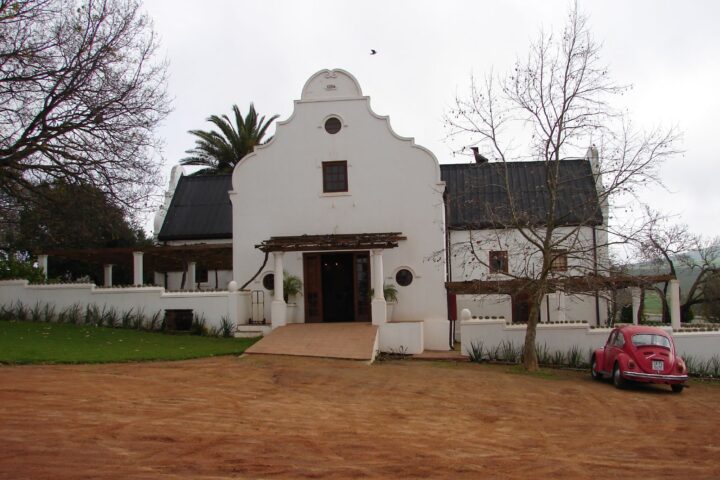
Sauvignon Blanc innovators and The Farm Eatery
Historic family farm (1698) and Sauvignon Blanc specialist with The Farm Eatery.
Restaurant on site Walk-ins welcome
Durbanville
Tastings in converted wine tanks and lawn picnics
Quirky tank tastings and picnics on the lawns.
Restaurant on site
 Our pick Family friendly
Durbanville
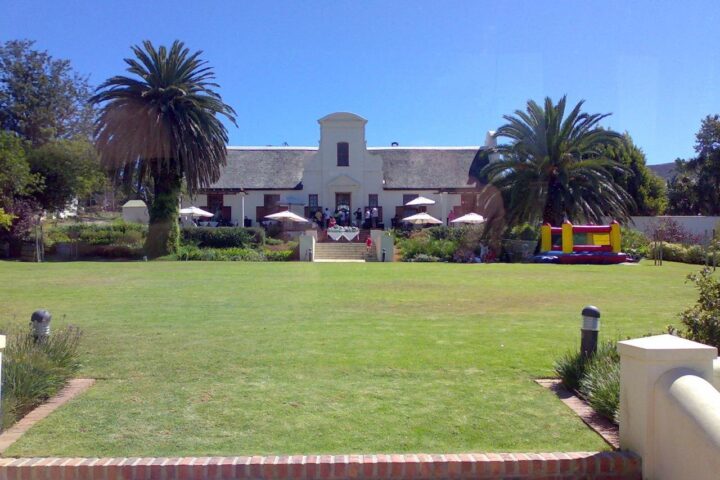
Heritage Pinotage, restaurants and a boutique hotel
Heritage Pinotage, daily tastings, restaurants and a hotel.
Restaurant on site
Durbanville is known for Sauvignon Blanc, Chardonnay, Merlot, Cabernet Sauvignon, Pinotage.
Estates in Durbanville include De Grendel, Diemersdal, Klein Roosboom, Meerendal, Hillcrest Estate and Nitida.
c. 28 km by road
Cooling sea breezes, night-time mists and the nearby Atlantic keep conditions mild, with some vineyards planted as high as 380 m above sea level.
Explore Durbanville wine tours